In a climate where heavy rainfall and high humidity persist throughout the year, protecting your home from water ingress is not a luxury—it’s a necessity. Water damage doesn’t happen overnight, yet its effects can be extensive and expensive. From weakened structural foundations to unsightly mould patches and poor indoor air quality, the risks are far-reaching. Applying a waterproof coating is one of the most effective ways to create a barrier between your property and the elements. Whether starting construction or maintaining an older building, investing in proper waterproofing is an essential step in safeguarding your home.
How Waterproof Coating Works
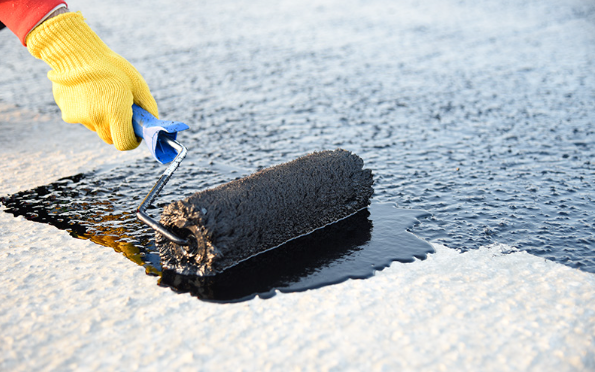
A waterproof coating is a protective layer applied to surfaces prone to water exposure, such as rooftops, balconies, basements, and wet rooms. The purpose is to prevent water from seeping into concrete or masonry, which over time leads to cracks, corrosion, and decay. This type of coating forms a seamless shield that resists moisture, ensuring longevity and structural soundness.
Different techniques serve different purposes. Cementitious waterproofing, for example, is widely used for areas subject to moisture but not extreme movement—ideal for internal wet zones like bathrooms or utility rooms. It involves applying a slurry-like mixture that hardens into a waterproof layer once cured. Being relatively simple to apply, it’s a practical solution for early-stage builds or remedial works in contained spaces.
Membrane waterproofing, on the other hand, is more suited to external surfaces exposed to dynamic environmental stress, such as roofs or podium decks. These membranes are elastic, allowing them to stretch with structural movement without cracking. They are applied as sheets or liquid membranes that cure into a durable, flexible layer. This type of system offers a long-lasting solution for areas with frequent temperature changes or structural expansion and contraction.
Regardless of the method used, applying a waterproof coating ensures that vulnerable parts of your home are protected from persistent moisture and the structural damage it can cause.
Long-Term Benefits of Proper Waterproofing
The long-term effects of moisture infiltration can be disastrous, making preventative waterproofing far more cost-effective than dealing with repairs. The early signs—discolouration, paint bubbling, or a musty odour—might seem trivial, but they are warning signals of deeper damage. Over time, water that penetrates walls or floors can compromise the steel reinforcements within concrete, leading to weakening of the entire structure.
By applying cementitious waterproofing or using membrane waterproofing systems, you mitigate the risk of internal and external deterioration. It protects against fungal growth, preserves indoor air quality, and supports hygiene, especially in humid environments. Homes with effective waterproofing systems also tend to retain their value better, as prospective buyers and tenants are less likely to face potential maintenance issues.
Another advantage lies in energy efficiency. When water seeps into the building envelope, it impacts thermal insulation, making interiors harder to cool or heat. Keeping moisture out helps stabilise indoor temperatures and reduces reliance on air conditioning or heating systems, contributing to lower energy bills over time.
Most importantly, investing in a high-quality waterproof coating is an act of foresight. Once water damage takes root, restoration costs can spiral quickly, involving structural works, electrical rewiring, and furniture replacement. In contrast, waterproofing is a relatively low-disruption process that can be done during construction or as part of a targeted maintenance plan.
Choosing the Right Waterproofing System
The choice between membrane and cementitious waterproofing should be based on location, surface type, and environmental conditions. For internal wet areas, cementitious systems are usually sufficient, as these do not experience as much movement or direct exposure to weather. However, for exposed surfaces like rooftops or planter boxes, a more robust membrane solution may be required.
It is essential to consider flexibility, adhesion, and application methods. Professional inspectors can help assess which areas require which type of treatment, ensuring that the coating will perform well under the specific demands of your property. The quality of surface preparation and application also plays a significant role in the longevity of the system. Poor workmanship, shortcuts, or the wrong choice of material can compromise the waterproofing’s effectiveness within a few short years.
For homeowners planning renovations or new construction, integrating waterproof coating at the design stage reduces the likelihood of future retrofitting. Retrofitting waterproofing after damage has occurred can be more invasive and costly. Thus, engaging with experienced professionals familiar with the right systems and techniques is crucial to making an informed and lasting decision.
Water damage is silent, slow, and destructive. The best way to avoid it is through preparation, not reaction. By applying suitable cementitious waterproofing or membrane waterproofing systems, homeowners can protect their investments, preserve structural integrity, and enjoy peace of mind through every storm and humid season. A well-chosen waterproof coating is not simply a product—it’s a form of long-term defence.
If you are considering waterproofing for your home or project, speak with us at Ardex – Quicseal Singapore today. Let our team guide you in choosing the right solution for lasting protection.
