
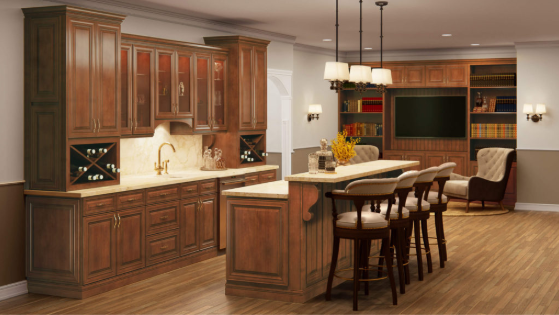
When it comes to designing or renovating a kitchen, one of the most important elements to consider is the cabinetry. Kitchen cabinets not only define the look and feel of your space, but they also play a crucial role in functionality, organization, and storage. As the backbone of kitchen design, cabinets must strike the right balance between style, durability, and practicality.
In this guide, we’ll explore everything you need to know about kitchen cabinets—from the different types and materials available to key tips on choosing the right cabinets for your home.
Why Kitchen Cabinets Matter
Cabinets occupy a significant portion of your kitchen’s visual space and budget, making them a central feature of any remodel or new build. Well-designed cabinets can:
- Maximize storage space
- Improve kitchen workflow
- Enhance aesthetics
- Add long-term value to your home
Investing in the right kitchen cabinets can transform a cluttered or outdated kitchen into a beautiful, efficient, and enjoyable space.
Types of Kitchen Cabinets
Understanding the main types of kitchen cabinets will help you make informed decisions based on your kitchen layout, budget, and design goals.
1. Base Cabinets
These are installed on the floor and support countertops. They house drawers, shelves, and pull-out organizers. The standard depth is approximately 24 inches, and the height is typically 34.5 inches (excluding the countertop).
2. Wall Cabinets
Mounted on the wall above countertops, wall cabinets are ideal for storing dishes, glasses, and other food items. They come in various heights and depths to suit your ceiling and kitchen size.
3. Tall Cabinets (Pantry Cabinets)
Reaching from floor to ceiling, these cabinets are perfect for storing large items, such as brooms or dry food supplies. They provide extra storage in kitchens with limited space.
4. Specialty Cabinets
These include corner cabinets, sink base cabinets, and appliance garages. Custom inserts like lazy Susans, spice racks, or trash pull-outs fall into this category.
Cabinet Construction: Framed vs. Frameless
There are two main cabinet construction styles:
– Framed Cabinets
A face frame is attached to the front of the cabinet box, providing extra strength. Doors are attached to this frame. Common in traditional American kitchens.
– Frameless Cabinets (European Style)
No face frame; doors attach directly to the cabinet box. Offers a more modern look with easier access and slightly more interior space.
Materials Used in Kitchen Cabinets
Cabinet material affects durability, appearance, and cost. Here are the most common options:
1. Solid Wood
Strong and timeless, solid wood is used for both cabinet frames and doors. Maple, oak, cherry, and birch are popular choices. It’s durable but more expensive.
2. Plywood
Often used for cabinet boxes, plywood is a stable material that resists moisture better than other engineered woods. It offers good value for its strength.
3. MDF (Medium-Density Fiberboard)
Smooth and ideal for painted finishes, MDF is commonly used in the construction of cabinet doors and panels. Less expensive than solid wood but more prone to damage from water.
4. Particleboard
An economical material used mostly in budget cabinets. It’s lightweight but less durable, especially in humid environments.
5. Laminate & Thermofoil
These are surface materials applied over engineered wood. They’re easy to clean and come in various colors and patterns, but they can peel or warp when exposed to heat.
Popular Cabinet Styles
The cabinet door style has a dramatic impact on the kitchen’s appearance. Here are a few favorites:
- Shaker Style: Clean, classic, and versatile. Works well in traditional and modern kitchens.
- Flat Panel: A minimalist design often used in modern or contemporary settings.
- Raised Panel: Features a center panel that is slightly raised. Adds a traditional or formal look.
- Glass Front: This feature adds visual interest and is ideal for displaying decorative dishware.
- Open Shelving: Trendy and casual, but it offers less concealed storage.
Choosing the Right Kitchen Cabinets
Here are some tips to guide your selection:
1. Set a Budget
Cabinets typically account for 30–40% of a kitchen remodel’s cost. Establish a budget and prioritize features that matter most to you.
2. Think Function First
Analyze how you use your kitchen. Need more storage? Consider deeper drawers, vertical dividers, or pull-out shelves.
3. Match Your Style
Select cabinet styles and finishes that harmonize with your home’s overall design. Neutral tones offer flexibility, while bold colors can add a personal touch.
4. Quality Hardware Matters
Opt for soft-close hinges, full-extension drawer slides, and durable handles. These small details improve functionality and longevity.
5. Consider Custom, Semi-Custom, or Stock
- Stock cabinets are mass-produced and budget-friendly.
- Semi-custom cabinets offer greater flexibility in terms of size and finish.
- Custom cabinets are built to order and tailored to your exact specifications, but they come at a higher price.
Final Thoughts
Choosing the right kitchen cabinets is one of the most important decisions in any kitchen renovation or build. With so many styles, materials, and configurations available, there’s something for every taste and budget. By understanding your needs and conducting thorough research, you can invest in cabinetry that not only looks great but also enhances the daily functionality of your kitchen for years to come.