
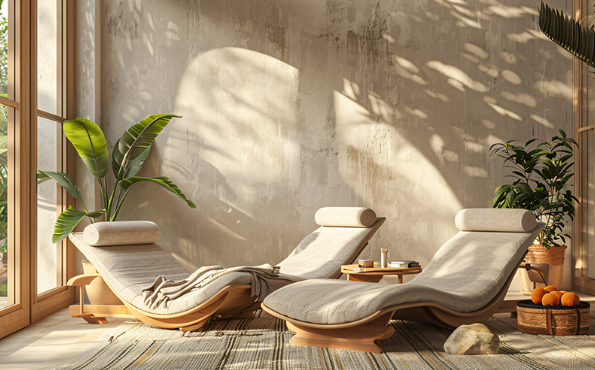
Every home reflects the personality and lifestyle of its occupants, and choosing the right interior style is a key part of that expression. With various approaches, residential interior design offers homeowners flexibility in shaping their living spaces, from sleek minimalism to bold maximalism. Understanding the differences between these design styles helps homeowners select a concept that aligns with their preferences, functional needs, and long-term goals.
This guide breaks down key interior styles commonly seen in interior design residential projects and how each brings a unique aesthetic and atmosphere to a home.
Minimalist: Clean, Simple, and Functional
Minimalism is defined by its focus on simplicity, clean lines, and the deliberate use of space. In minimalist residential interior design, the emphasis is on reducing clutter and essential items. The colour palette typically consists of neutral tones such as white, grey, and beige, paired with natural light and straightforward furnishings. Decorative elements are kept to a minimum to highlight functionality and open space.
This style appeals to homeowners who prefer order, calm, and low-maintenance living. Storage solutions are often hidden or built into to keep surfaces clear and maintain a streamlined look. While some may find it too sparse, minimalist design provides a timeless and efficient approach, especially in small apartments or modern homes.
Scandinavian: Warm Minimalism with Natural Elements
Scandinavian design shares many traits with minimalism but introduces a warmer, more inviting feel. It incorporates natural materials such as wood, wool, and leather, and uses a soft, muted colour palette that includes pastels and earthy tones. Natural and artificial lighting are crucial in creating a cosy, well-lit environment.
In interior design residential projects, the Scandinavian style supports comfort without excess. Clean furniture silhouettes, functional layout, and organic textures help create a balanced space that feels modern yet lived-in. This style suits families or individuals who value both simplicity and warmth.
Maximalist: Bold Colours, Layers, and Self-Expression
At the opposite end of the spectrum is maximalism—an expressive and layered approach to design. This style showcases daring colours, mixed prints, and various textures and designs. Walls are often filled with art, shelves are packed with curated decor, and every piece has a story or function.
Interior designers working on maximalist designs require confidence and planning. It suits those who enjoy personal expression and want their space to feel dynamic and lived-in. While it may appear chaotic to some, the best maximalist interiors are cohesive and carefully edited to maintain visual interest without overwhelming the space.
Industrial: Raw, Urban, and Unpolished
Inspired by converted warehouses and factories, industrial design brings a raw and edgy aesthetic to residential interiors. Key features include exposed brick walls, concrete floors, metal pipes, and a palette of greys, blacks, and browns. Furniture often has a rugged or reclaimed look, combining wood and metal materials.
This style is ideal for homeowners who appreciate an urban vibe and don’t mind bolder, unfinished looks in their residential interior design. While the industrial aesthetic can be stark, it can also be softened with warm lighting and layered textiles, making it more comfortable for everyday living.
Modern Contemporary: Sleek and Adaptable
Modern contemporary design is more sophisticated. It focuses on clean lines with a dynamic use of shapes and materials. It often merges current design trends with minimalist principles, featuring high-quality finishes, smart storage, and statement lighting. Unlike strict minimalism, this style allows for pops of colour and decorative elements, as long as they remain intentional and well-curated.
This is a flexible choice for interior design residential projects, especially in condominiums or new builds. Homeowners can easily incorporate trending pieces without compromising their home’s clean visual flow. The style remains practical while offering room for personality and refinement.
Conclusion
Whether you lean towards minimalist calm or maximalist expression, choosing the right design style depends on your lifestyle, preferences, and space requirements. Each approach to interior design residential has its strengths, and combining elements from multiple styles is also possible with thoughtful planning. By understanding the core characteristics of each design philosophy, homeowners can make informed decisions that lead to functional and visually engaging living spaces.
Ready to design a space that reflects your style? Work with Hoft Interior to create a residential interior that’s both practical and personal.