
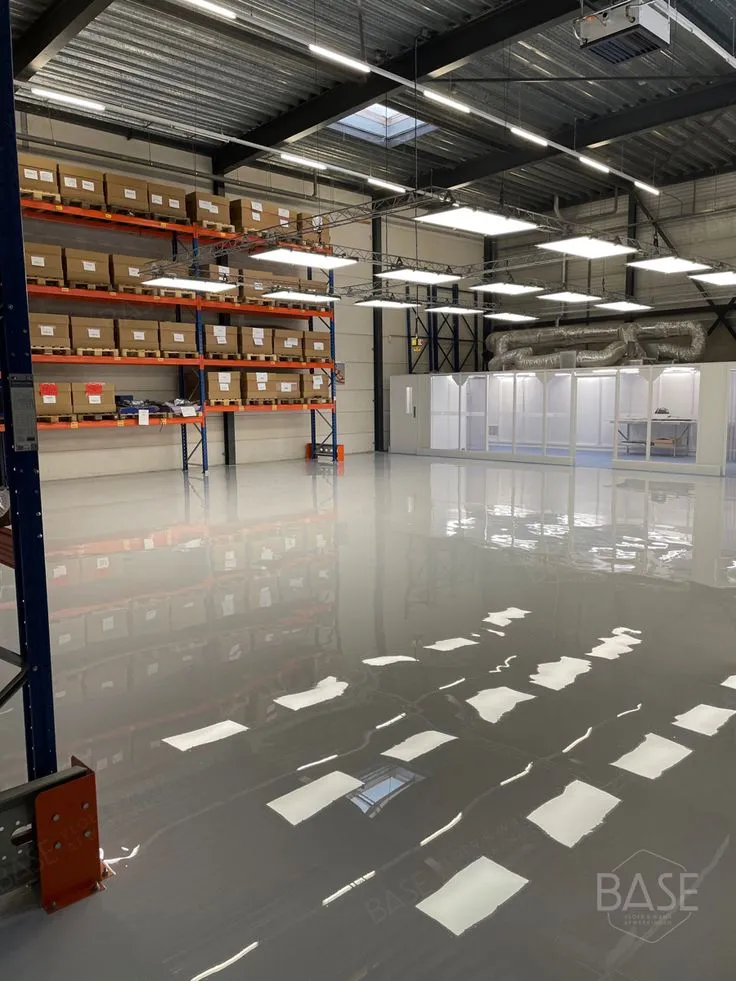
Installing new machinery can improve production capacity, but equipment changes also affect the building around it. Heavier machines, different wheel types and revised workstations may introduce loads the existing concrete floor was not originally expected to handle. Facility managers evaluating industrial epoxy flooring should therefore review the proposed equipment layout before selecting protective materials. A floor coating can support suitable working conditions, but it cannot compensate for an inadequate structural slab. Early planning helps manufacturers address potential problems before machinery installation makes access more difficult.
Understand the Equipment’s New Demands
A production facility may introduce larger machines, automated handling systems or additional assembly stations as demand increases. Each addition can change how weight is distributed across the concrete surface.
Request equipment specifications before construction begins. Static weight, vibration, anchoring and movement requirements may all influence the floor. Where structural capacity is uncertain, an appropriately qualified engineer should evaluate the existing slab before machinery is installed.
Look Beyond Machine Weight
Two pieces of equipment with similar total weight may place different demands on concrete. Narrow support feet, concentrated loads and moving wheels can create different contact pressures.
Forklifts and wheeled carts also introduce repeated traffic along particular routes. Assessing these conditions helps identify areas that might require repairs, joint treatment or specialized protective systems. Decorative coatings should never be assumed to increase the slab’s structural capacity.
Review Existing Damage Carefully
Old manufacturing floors may contain cracks, patched openings, damaged joints or areas where previous coatings have failed. These defects can become harder to inspect once additional equipment occupies the space.
Arrange an assessment while the floor remains accessible. A contractor can identify appropriate surface preparation and repairs. Significant movement or instability should be investigated separately before choosing a finishing system.
Match Flooring to the Production Process
Manufacturing activities involve different combinations of mechanical wear, chemical contact and cleaning requirements. A packaging facility may need a different surface from a workshop using oils, solvents or heated equipment.
Managers comparing warehouse floor coating options should consider these operating conditions alongside the intended equipment layout. Epoxy and other resinous systems offer different performance characteristics depending on formulation and application thickness.
Coordinate Contractors Before Installation
Machinery suppliers, electricians and flooring contractors may all require access to the same work areas. Without a shared schedule, later drilling or equipment movement can damage a newly finished floor.
Establish when concrete repairs, electrical installations, coating application and machine delivery should occur. The exact sequence depends on equipment requirements. Some anchors or service connections may need installation before finishing, while others require specific post-coating procedures.
Consider Safety Around Workstations
Industrial floors need appropriate traction where workers stand, walk or move materials. Water, oils and loose debris may create hazards if they collect around equipment.
Evaluate surface texture according to the actual working conditions. Additional grip may be useful in selected areas, but excessive roughness can complicate cleaning. Clear walkways, suitable lighting and effective spill procedures remain important regardless of coating selection.
Plan for Production Interruptions
Flooring renovations can temporarily affect access to machinery, stock and delivery routes. Even relatively quick installations require time for preparation, application and curing before the surface can support normal operations.
Discuss the project schedule with production supervisors and contractors. Some areas may be completed in phases, but temporary routes must remain safe. Equipment should return only when the specified materials are ready for the intended loads.
Review Cleaning and Maintenance Needs
New machinery can change the types of fluids and debris reaching the floor. Maintenance teams should identify expected contamination and confirm which cleaning products are compatible with the coating.
Regular inspections are particularly useful around equipment bases, turning points and joints. Record developing damage instead of repeatedly covering it with unsuitable materials. Early evaluation may help prevent more disruptive repairs.
Preserve Records for Future Changes
Keep the coating specification, slab assessments, repair documents and equipment layout drawings together. These records can help future contractors understand what was installed and where particular loads were considered.
When another machine is added or moved, review the relevant requirements again. A coating selected for one arrangement may not remain appropriate when production methods change significantly.
Conclusion
Industrial flooring decisions should form part of equipment planning rather than occur after machinery arrives. Structural capacity, concentrated loads, chemical exposure and access requirements all influence the suitability of protective systems. Managers should assess existing concrete, coordinate contractors and establish practical maintenance procedures before upgrading operations. For Ontario manufacturers and warehouse operators researching professional resin flooring, quickfxepoxy.ca provides information about industrial and warehouse coating services. Careful planning can support changing production needs while reducing avoidable damage and installation disruption.