
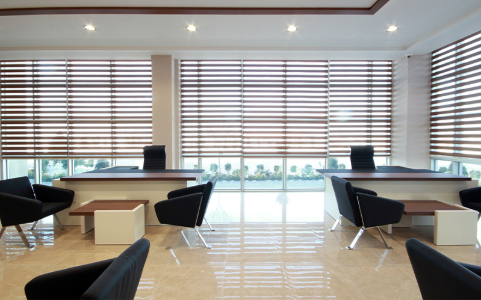
When people think of interior design, they often imagine paint swatches, trendy furniture, and perhaps a hip coffee bar. But what if we told you that interior design for company spaces is more than a visual upgrade? In Singapore’s fast-paced corporate culture, the physical environment of a workplace is increasingly being treated as a tool for innovation, collaboration, and employee well-being. Whether undergoing a full office renovation or considering a layout shift, understanding the deeper layers of office design could change the game.
Function or Flair?
One of the longest-standing debates among designers and business owners is the balance between aesthetics and function. While some office renovation projects lean heavily on visual branding, others emphasise ergonomic layouts or flexible workspaces.
The truth lies somewhere in between. According to design consultants, a well-designed office needs to support productivity and identity. A reception area, for example, serves as both a welcome mat and a visual cue to company culture.
Meanwhile, open-concept workspaces must be carefully planned to encourage collaboration without sacrificing personal focus zones. Interior design for company environments must adapt to the nuances of how teams work, and not just how things look.
When Cubicles No Longer Work
Gone are the days of grey partitions and buzzing fluorescent lights. Companies undergoing office renovation in Singapore are increasingly breaking free from outdated designs.
Modern spaces embrace hybrid working models, biophilic elements (greenery and natural lighting), and technology-integrated zones. This shift is about reimagining how space affects behaviour.
According to recent reports, employees in redesigned offices experience up to a 25% increase in reported job satisfaction. When design disrupts the norm, it creates space for new ways of working.
The Hidden Process Behind the Scenes
You might be surprised to learn just how involved the process is behind a sleek, polished office. From compliance with fire safety codes to the intricacies of acoustic planning and sustainability standards, the steps to complete an office renovation are multifaceted.
For example, did you know that choosing the wrong lighting affects mood and can disrupt circadian rhythms, impacting sleep and long-term health?
Office design teams work with M&E (mechanical and electrical) consultants, project managers, and workplace strategists to ensure every choice, from ceiling tiles to soundproofing, aligns with the company’s brand and functional goals.
It’s a blend of architecture, behavioural science, and project logistics.
Design That Works Overtime
Let’s consider a mid-sized tech firm in Singapore that partnered with a commercial design firm to overhaul its outdated office. Initially housed in a cluttered space with minimal collaboration areas, the company struggled with team morale and efficiency.
Through thoughtful interior design for company objectives, like creating hot-desking zones, acoustic meeting pods, and a communal ideation hub, employee engagement and cross-department collaboration are visibly improved.
Performance reviews even indicated a significant uptick in project completion speed. This real-life application showcases how design is visual and organisational.
What Happens When It Goes Wrong?
Office renovation is rarely seamless. One challenge that often arises is the misalignment between the leadership vision and employee needs.
For instance, a CEO might envision an open-plan office for transparency, while staff may need quiet corners for deep work. When such mismatches occur, productivity suffers. That’s why thorough stakeholder consultation and user surveys before initiating design are vital.
Another common issue is underestimating budget flexibility, especially when it comes to tech integration or change orders mid-project. Engaging with a reliable interior design firm with office renovation expertise in Singapore ensures potential pitfalls are mitigated with foresight and agility.
Designing for the Future, Not Just Today
If you’re investing in a renovation, don’t just plan for current needs. Anticipate what your workspace will require in three to five years. Will your headcount increase? Will hybrid working persist? Consider modular furniture, moveable walls, and adaptable meeting spaces.
Sustainability also plays a growing role in office renovation. Eco-friendly materials, energy-efficient lighting, and waste-reducing construction practices aren’t just good for the planet. They’re becoming essential brand values that clients and staff care about.
Think of design as infrastructure for growth. The best spaces are stylish and future-proof.
Rethinking the Purpose of Office Design
Office design and renovation are no longer side-line considerations. They’re core strategic decisions. The physical space a company occupies reflects its values, supports its operations, and shapes its future. When done thoughtfully, interior design for company environments can catalyse employee engagement, foster innovation, and send the right message to clients. In Singapore’s hypercompetitive business ecosystem, your workspace might be your most underrated asset.
Before you pick a paint colour or knock down a wall, ask yourself: how do you want your space to work for you? Consult with OSCA Asia today.